
Professional Services
·
July 25, 2026
Project Management Career Path: Roles, Salary & PMP
The project management career path spans entry roles, PMP certification specs, median wages, and executive progression tiers.

Become a professional dog walker by mastering safety standards, gaining industry-recognized certifications, and navigating modern 2026 hiring landscapes.

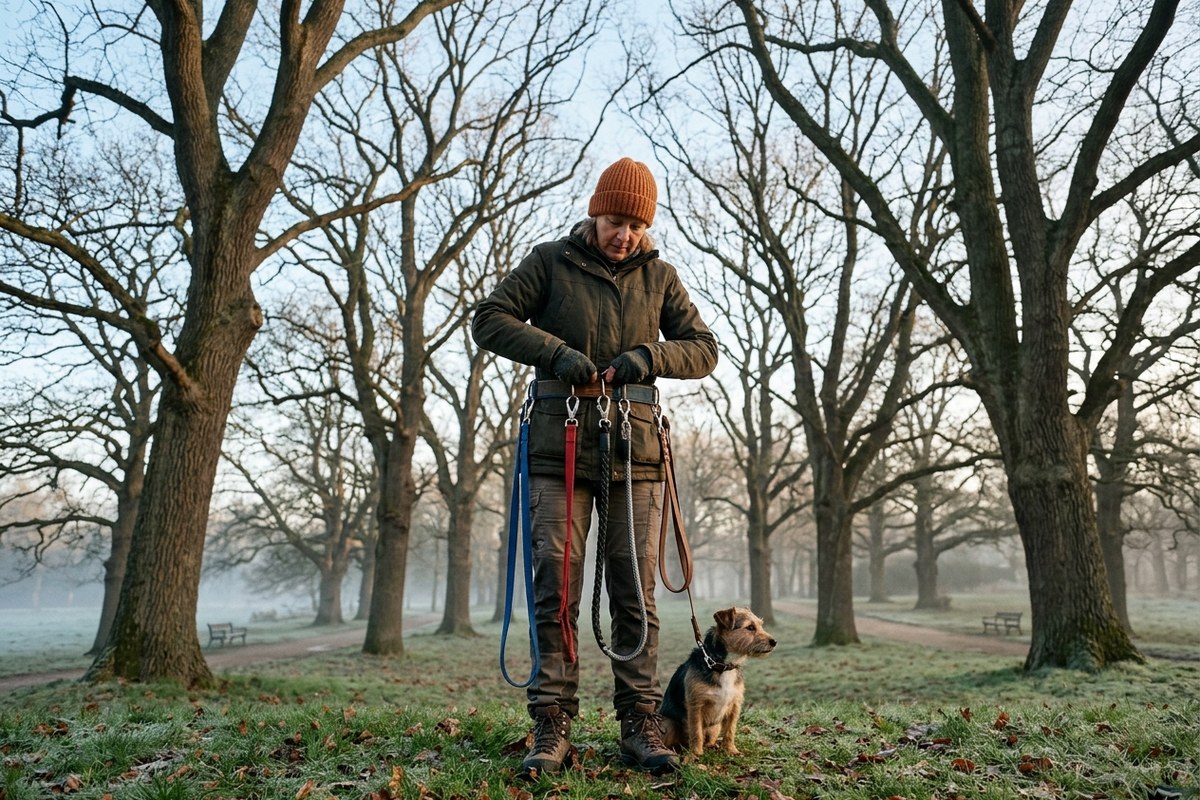
Over 85 million households in the United States own at least one companion animal, creating a massive demand for professional pet care services that has escalated rapidly heading into 2026. This surge in pet ownership has transformed a historically informal neighborhood chore into a highly structured, profitable, and regulated industry requiring specific certifications, business insurance, and specialized training.
This professional dog walker career guide 2026 details the physical demands, economic projections, legal frameworks, certification pathways, and job application strategies required to build a sustainable career in this sector. Whether you plan to work as an agency employee, utilize on-demand platforms, or launch an independent pet care business, understanding these professional benchmarks and using the LandTheJob career platform to optimize your application is essential for long-term operational success.
The daily schedule of a professional dog walker is highly structured and physically rigorous, often starting as early as 07:00 and concluding around 18:00. Peak service hours consistently fall between 11:00 and 14:30, during which walkers manage back-to-back appointments with minimal downtime. A typical workday requires traveling between 8 to 15 different residential locations, entering client homes securely, locating the animal, checking their physiological status, and executing a pre-scheduled walk of 30, 45, or 60 minutes.
Weather conditions present a constant operational challenge: professionals must work through torrential rain, sub-zero winter temperatures, and summer heatwaves exceeding 95 degrees Fahrenheit. Walkers are also responsible for carrying up to 10 pounds of safety equipment and waste supplies, managing leash reactivity in high-traffic urban areas, and clean up of canine waste during every session. Furthermore, modern clients expect real-time digital communication, meaning you must log GPS track maps, write detailed visit summaries, and send professional-grade photos within 10 minutes of completing each appointment.
Physical stamina is a non-negotiable requirement for this career, as the average full-time walker covers 8 to 12 miles on foot every single day, translating to roughly 18,000 to 25,000 daily steps. Walkers must possess the physical strength to maintain control over multiple large-breed dogs simultaneously, which can mean managing a combined weight of over 200 pounds on leash. You must also be capable of lifting at least 50 pounds independently in the event that an animal becomes injured or immobilized and requires emergency transportation to a veterinary hospital.
When applying for established agency roles, utilizing a highly tailored professional dog walking resume template ensures that your physical skills and pet handling experience are formatted appropriately for automated applicant tracking systems. Beyond physical capacity, extreme reliability and time management skills are mandatory: arriving even 15 minutes late can disrupt a pet's strict medication schedule or cause house-training accidents. Successful operators must also possess strong administrative skills to manage complex client keys, process digital payments, track business expenses, and navigate regional scheduling software daily.
The professional pet care sector continues to experience unprecedented financial expansion, driven by high rates of pet ownership and increased household spending on pet wellness. According to official data from the Bureau of Labor Statistics (BLS), employment in veterinary and animal care-related occupations is projected to grow by 19 percent through 2026, which is much faster than the average for all occupations. This growth is heavily concentrated in urban and suburban centers where dual-income households require external assistance to maintain their pets' daily exercise routines.
This industry growth has driven a major shift toward professional, app-integrated, and highly transparent pet care services. Clients are no longer willing to rely on casual arrangements, instead preferring providers who offer structured onboarding processes, active GPS tracking, and formal liability coverage. Professionalizing operations pays off immediately: pet care businesses that implement structured onboarding processes experience 47 percent lower turnover rates in the first 90 days, as reported by Time To Pet, showing that organized business structures are highly beneficial for retention.
Compensation in the pet care sector varies based on location, business model, and experience. Entry-level professional dog walkers in mid-size cities typically earn between $16 and $20 per hour, while experienced walkers in high-cost-of-living areas can earn up to $28 per hour, according to salary reports compiled by Dog Walk Jobs. For full-time agency employees, this equates to an annual gross salary ranging from $33,280 to $58,240, often accompanied by basic benefits such as paid time off or travel mileage reimbursement.
Independent business owners who operate their own local routes have a significantly higher earning potential. Independent rates generally range from $20 to $35 for a standard 30-minute individual walk, and $30 to $50 for a 60-minute walk, with an additional fee of $10 per extra dog from the same household. A self-employed walker who maintains a steady schedule of 10 individual 30-minute walks per day at a rate of $25 per walk can generate $250 in daily gross revenue, resulting in weekly earnings of $1,250 or an annual gross income of $65,000 before business expenses and taxes.
Operating a professional pet care service involves navigating specific dog walking business requirements that vary widely by municipality. At a minimum, all professional dog walkers must be at least 18 years of age to sign legally binding client contracts and qualify for commercial liability insurance. Candidates must also pass a federal-level criminal background check to ensure they have no history of animal cruelty, property theft, or violent offenses, which is standard practice for entering client homes unsupervised.
In many metropolitan jurisdictions, local councils enforce strict limits on the number of dogs a single individual can walk in public simultaneously, which is typically capped at 4 to 6 dogs. Some regions require walkers to obtain a commercial dog walking permit, which involves paying an annual fee ranging from $100 to $500 and demonstrating proof of professional liability insurance. Every professional engagement must be protected by a signed Service Agreement, a Veterinary Release Form authorizing emergency medical treatment up to a specific dollar amount, and a formal Key Release Agreement.
Operating without comprehensive business insurance exposes a professional dog walker to devastating financial liabilities. A single incident: such as a dog escaping its collar and causing a traffic collision, or a dog biting a pedestrian: can result in lawsuits exceeding $100,000 in damages. Therefore, carrying a dedicated Public Liability Insurance policy with a minimum coverage limit of $1,000,000 per occurrence is a fundamental business requirement for any professional in 2026.
This specialized commercial insurance must include Care, Custody, and Control (CCC) coverage, which specifically protects you if an animal in your care is injured, becomes ill, or passes away. Standard general liability policies exclude coverage for items or animals in your physical possession, making CCC coverage an essential addition. Additionally, your policy should include Lost Key Coverage to cover the cost of locksmith services and complete rekeying of a client's home (which can cost between $500 and $2,000 if high-security electronic locks are involved).
While formal dog walker certifications are not legally mandated by federal laws, completing industry-recognized courses significantly elevates a walker's professional standing and competence. One of the most respected credentials in North America is the Certified Professional Pet Sitter (CPPS) designation, offered by Pet Sitters International, which requires passing a comprehensive exam on animal care, health, nutrition, and business ethics, with resources available at Pet Sitters International Professional Resources. This certification requires ongoing continuing education units to maintain, ensuring walkers stay updated on industry best practices.
For those looking for internationally recognized vocational standards, the Level 2 and Level 3 Awards in Dog Walking and Pet Sitting offered by the iPET Network Professional Standards provide rigorous, audited training structures covering canine behavior, emergency first aid, and customer care. Additionally, every professional walker should hold a current Canine First Aid and CPR certification from an accredited provider such as the Red Cross or PetTech. These practical courses cost between $50 and $100, require 4 to 6 hours of study, and must be renewed every 2 years.
In a competitive service market, certifications act as an essential trust signal that distinguishes professional operators from casual hobbyists. Pet owners view credentials as proof of a walker's dedication to safety, animal welfare, and professional standards. This dynamic is especially true for owners of high-needs pets, such as senior dogs requiring medication, puppies with complex socialization schedules, or dogs with severe reactivity issues.
Certified walkers can easily justify charging premium rates that are 15 to 25 percent higher than the local market average. When bidding for corporate contracts, residential building partnerships, or affluent private clients, holding verified credentials frequently serves as the deciding factor for hiring managers and estate managers. Ultimately, investing roughly $200 to $500 in professional certifications pays for itself within the first month of active business operations through increased client acquisition and retention.
Prospective dog walkers can choose from three primary career pathways: working as a W-2 direct hire for an established local agency, operating as an independent contractor on an app-based platform, or launching an independent pet care business. Each business model offers distinct trade-offs regarding scheduling autonomy, revenue retention, administrative overhead, and legal protections.
Selecting the right operational model depends heavily on your financial goals, risk tolerance, and administrative capability. If you prefer a consistent paycheck with zero marketing responsibilities and appreciate having a supportive management structure in place, the W-2 direct hire model with an established local agency is the most secure path. This option is also highly beneficial for entry-level workers who want to gain supervised, hands-on experience before taking on solo liabilities.
If you require complete schedule flexibility or are looking to supplement an existing income, app-based platforms offer an accessible entry point with very low barriers to entry. However, if your long-term goal is to build a highly profitable career with asset equity, launching an independent sole proprietorship or Limited Liability Company (LLC) is the most viable path. Many successful professionals choose a hybrid approach, starting on app-based platforms to gain experience and build relationships before transitioning their regular clients to an independent business model.
Pet care hiring managers in 2026 place a premium on candidates who demonstrate absolute reliability, strong communication skills, and clear professional boundaries. Because walkers operate independently in the field, employers must trust that you can navigate unexpected challenges without constant supervision. Managers screen specifically for a clean driving record, a highly reliable personal vehicle with valid commercial auto insurance, and a history of punctuality in previous non-pet roles.
Communication is evaluated from the very first point of contact: hiring managers analyze your response times, spelling, grammar, and professionalism across emails and texts. During interviews, candidates are often asked situational questions designed to test their problem-solving abilities and adherence to safety protocols. A typical prompt might ask how you would handle an off-leash dog approaching your client's reactive dog, or how you would respond if you discovered a client's front door was left unlocked upon your arrival.
To secure a competitive position at a premier pet care agency, your resume must highlight practical experience, animal safety, and outstanding customer service. Instead of simply listing duties such as "walked dogs," use metric-driven bullet points that show your actual achievements. For example, state that you "successfully managed daily schedules for 12 canine clients, maintaining a 100 percent incident-free safety record over a 24-month period."
If you lack direct professional pet care experience, highlight transferable skills from previous roles in customer service, hospitality, or administrative positions. Include any volunteer work at local animal shelters, detailing the specific number of volunteer hours completed and any training you received in shelter safety protocols, canine body language, or breed-specific handling. Finally, display your professional certifications, first aid credentials, and background clearance status prominently at the top of your resume to make a strong impression during the initial screening process.
No, a college degree is not required to work as a professional dog walker. Hiring managers and private clients prioritize hands-on dog handling experience, professional certifications, first-aid training, clean background checks, and strong references over formal higher education degrees.
Securing your first job is highly achievable if you have a clean background check and open availability during peak midday hours. Entry-level positions at local dog walking agencies or on-demand apps are readily available for candidates who demonstrate reliability, clear communication, and basic animal handling skills.
W-2 agency employees are typically provided with all necessary safety equipment, including slip leads, treat pouches, and first-aid kits. If you operate as an independent business owner or app-based contractor, you must purchase your own professional-grade equipment, which generally costs between $100 and $250 to start.
Modern pet care relies heavily on specialized scheduling software, GPS tracking apps, and automated client billing systems. AI and automated platforms assist walkers with route optimization and business administration, but the core service of physical canine handling remains entirely human-driven, securing long-term job stability in this sector.
Walking dogs from different households simultaneously, known as group walking, is common but requires specialized behavioral training, client consent, and business insurance authorization. Many municipalities strictly limit group sizes to 4 or 6 dogs to ensure public safety and maintain manageable physical control at all times.
Building a successful career as a professional dog walker in 2026 requires combining a genuine passion for animal welfare with rigorous professional standards and solid business practices. By prioritizing safety protocols, securing proper business insurance, obtaining industry-recognized certifications, and maintaining clear, transparent communication with your clients, you can establish a highly reputable and financially rewarding pet care business. Whether you choose to work with an established agency or build your own independent client route, committing to these professional standards ensures a sustainable, long-term career in this rapidly expanding industry.